The rotten-egg smell
Hydrogen sulfide. Air injection or peroxide injection handles it at the point of entry, depending on how much iron comes with it.
Johnston County is growing fast along its western edge and stays rural across most of the rest of it. Both halves are ours.
A new build in Clayton and a farmhouse outside Smithfield are two different jobs, and the second one is the one we see fewer competitors doing properly.
Wells in Johnston County and its neighbours commonly return iron, hydrogen sulfide, sediment or low pH, frequently more than one together.
Hydrogen sulfide, the rotten-egg smell, is produced by bacteria in low-oxygen groundwater and is extremely common in North Carolina wells. It is not usually a health hazard at residential levels, but it is unpleasant, it can corrode plumbing, and it will not clear on its own.
Iron shows up as orange staining on laundry and fixtures. Both are treatable, and the iron number from your test decides which system does it.
Hydrogen sulfide. Air injection or peroxide injection handles it at the point of entry, depending on how much iron comes with it.
Iron in the groundwater. It is an aesthetic contaminant rather than a regulated health one, and it ruins laundry and fixtures until it is treated.
Private wells are not regulated or tested by anyone but you. Annually at minimum for bacteria and nitrates, and again any time the taste, smell or appearance changes.
Systems that suit Johnston County
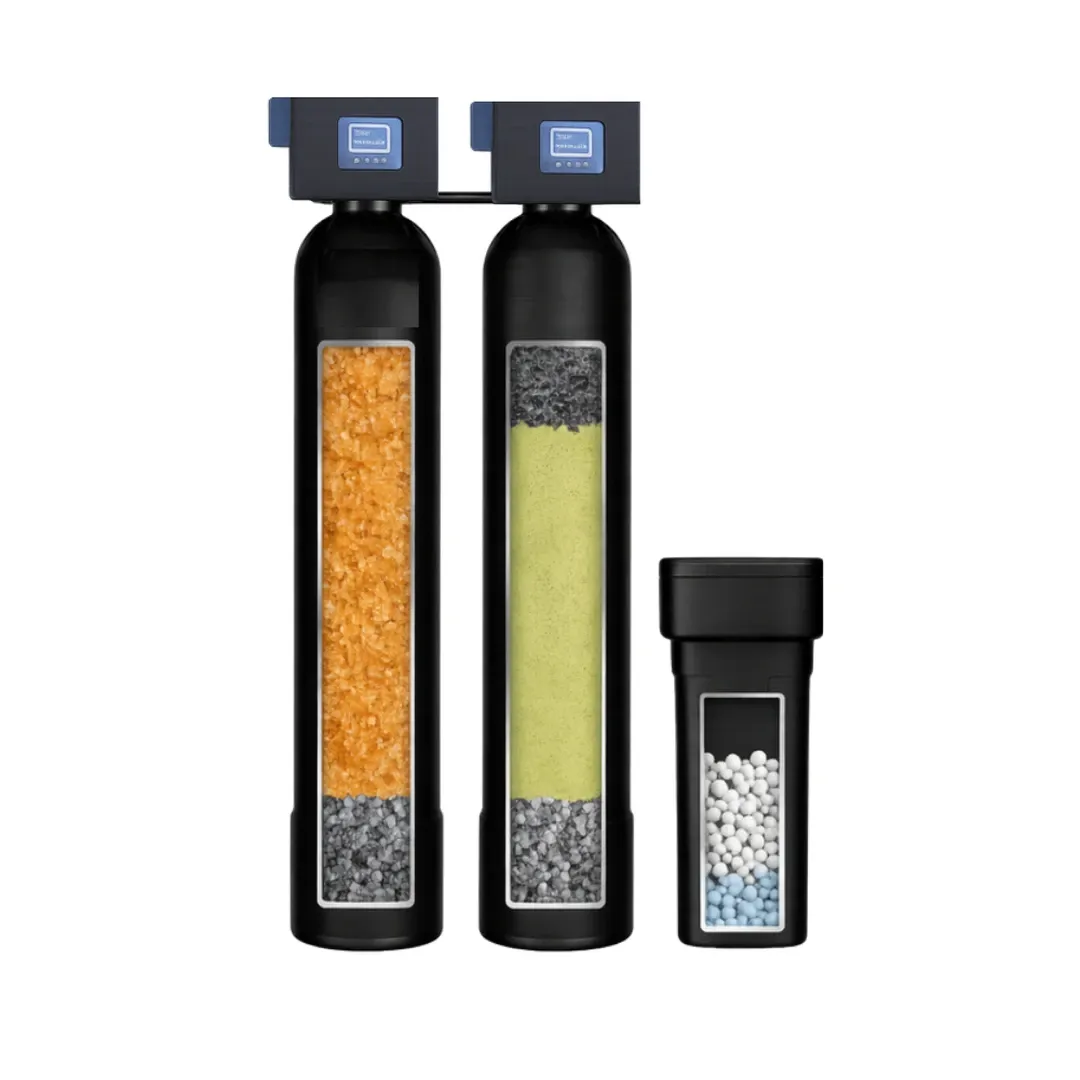
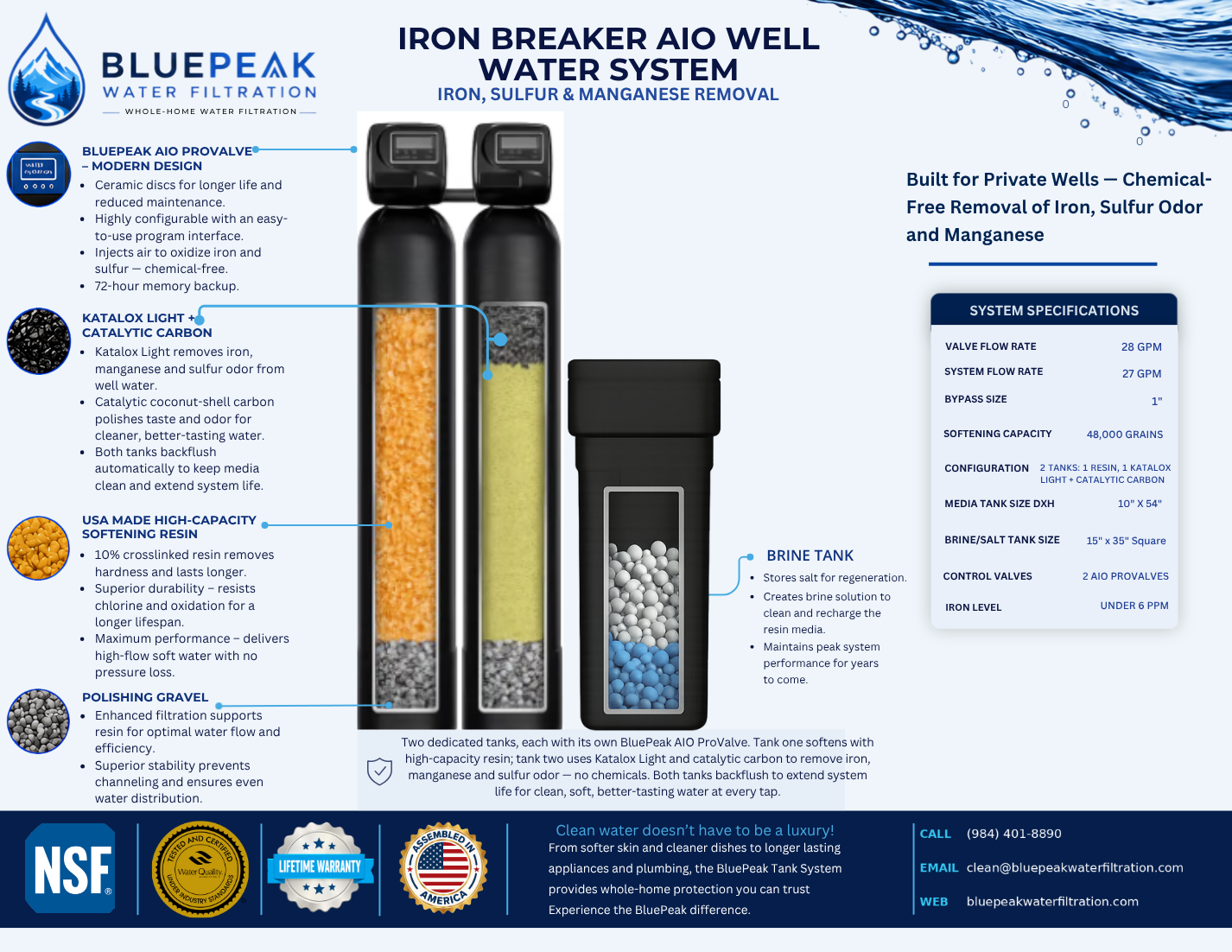
Chemical-free well-water system that clears iron, sulfur odor and hardness (iron under 6 ppm).
Regular price$6,146Sale price$3,995
Installed
35% off — ends September 30, 2026
Free reverse osmosis drinking system included
Brochure — Iron Breaker AIO (Dual Tank)Spec sheet — Iron Breaker AIO (Dual Tank)
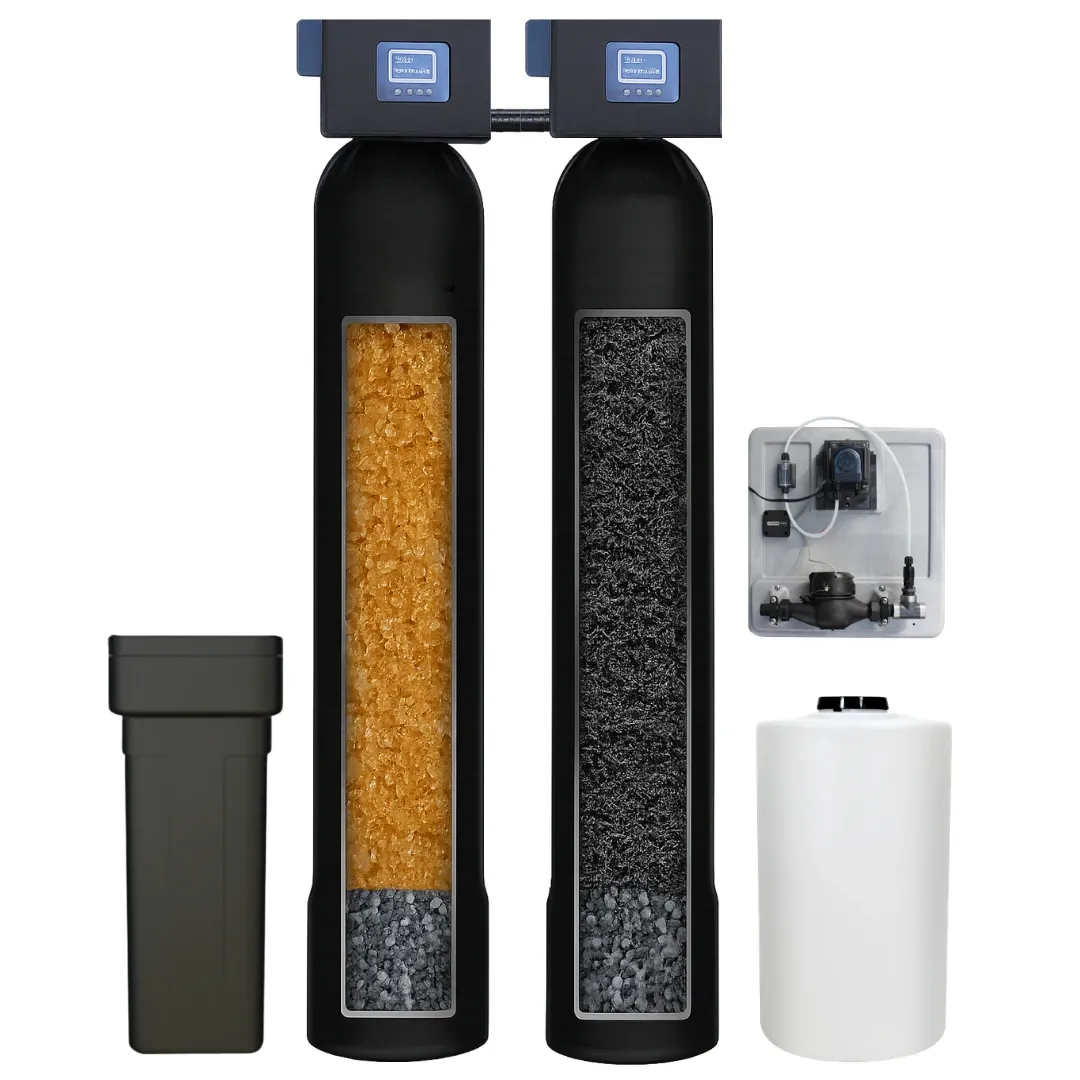
Heavy-duty well-water system for high iron and sulfur (over 6 ppm).
Regular price$8,692Sale price$5,650
Installed
35% off — ends September 30, 2026
Free reverse osmosis drinking system included
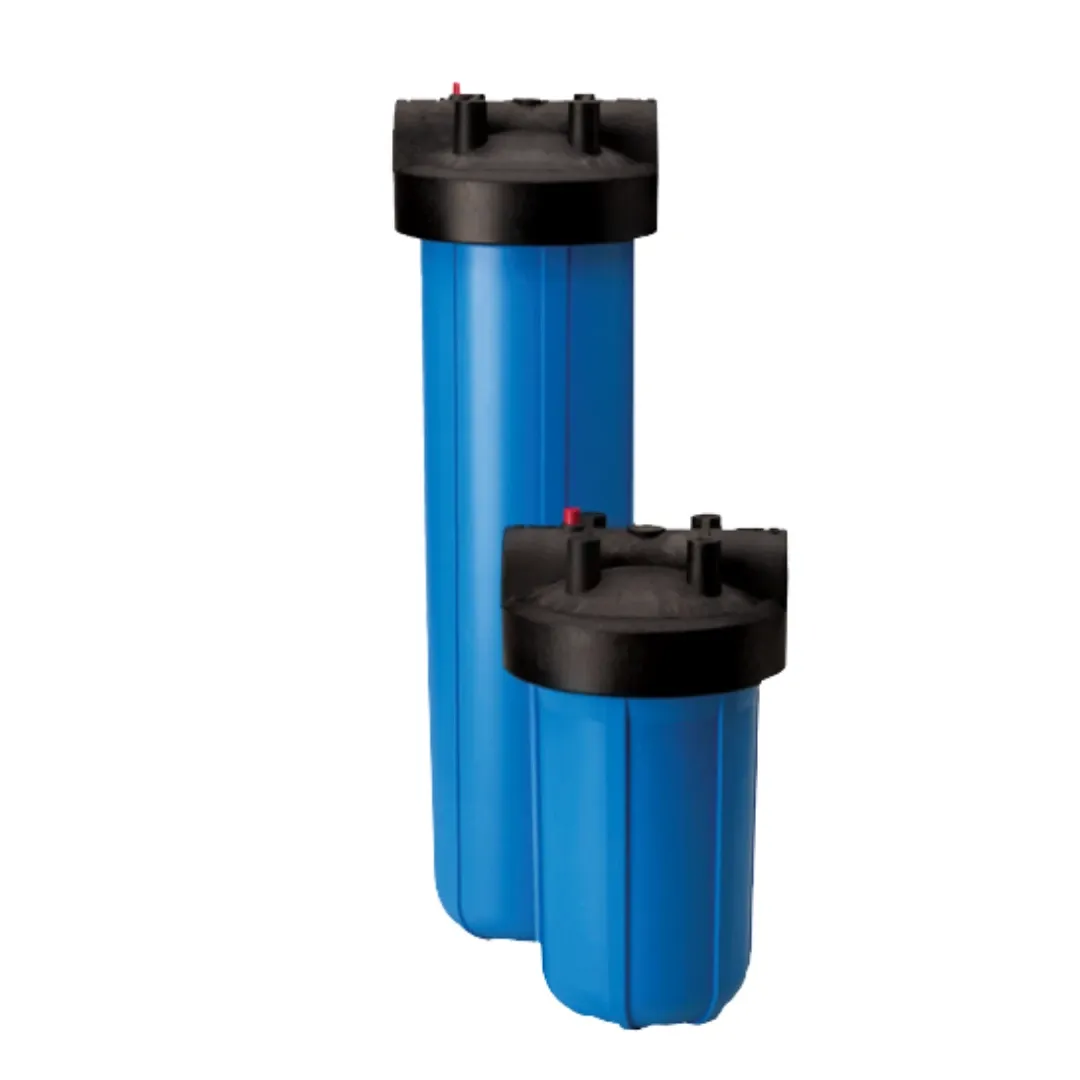
20-inch Big Blue 5-micron filter that catches sand and sediment before your main system.
Regular price$1,691Sale price$1,099
Installed
35% off — ends September 30, 2026
All prices are for a garage or accessible waterline install. Crawl space, attic, outside or trenching installs add a $399 minimum, quoted on-site before any work begins.
Yes, and it's a meaningful share of what we do. Wells in Wake, Harnett, Chatham and Johnston counties commonly come back with iron, hydrogen sulfide, sediment or low pH. Those need genuinely different equipment than a city water home — which is why we test first instead of quoting off a price list.
On a well, almost always. Sand, silt and grit will shorten the life of every piece of equipment downstream of it, including your pump and your pressure tank. On city water it’s rarely necessary unless you’re on an older line or there’s been recent main work.
Whole-home tank systems are mostly self-maintaining — the valve regenerates or backwashes on its own, metered by your water use, and the media lasts years (calcite is the exception: it is consumed slowly and topped up). What needs regular attention: salt in the brine tank if you have a softener, sediment pre-filters, UV lamps annually, and RO membranes and filter stages on their cycle.
Yes. We come to your home, test at your kitchen sink, and show you the results while we're standing there. No fee, no obligation, no PDF emailed to you three days later. It takes about fifteen minutes.
Fifteen minutes at your kitchen sink, results while we are standing there, and no obligation. If your water is fine, we will tell you that.
Branden or someone on the team will call or text shortly to schedule your free water test. Need us sooner? Call or text (984) 401-8890.
Please try again in a moment, or call or text (984) 401-8890 and we will book your test by hand.